
The Importance of Photographing Your Family
The importance of capturing memories
Time really flies. We all see it and feel it. As we grow from teenage years into adulthood, life often becomes more routine. Days blend into each other and it becomes harder to notice the small moments that actually matter.
We want to grow in our careers and at the same time be present with our families. We want to provide financial security, stability, and a good life. With so much happening at once, our sense of time changes. Months and even years can pass almost unnoticed.
The older we get, the more memories we start to lose. We might remember the big events, but the details fade. In more drastic situations, we never really know when we see someone for the last time.
This is why I feel that the art and craft of photography is so important in modern life. Photography teaches us not only to look, but to actually see. It allows us to capture important moments and everyday details that become anchors in time. Later, these anchors help us return to a moment, feel it again, see it again, and relive the emotions one more time.
You do not need a perfect life to have meaningful photos. You just need attention and intention. Photography is not about perfection. It is about connection and presence.
And there is something else. When life changes suddenly and you have to move from your city or even your country, you often cannot take many things with you. Still, you try to take your photos, especially images of the people you love. That alone shows how important photographs of our loved ones really are.
My story and why this matters to me
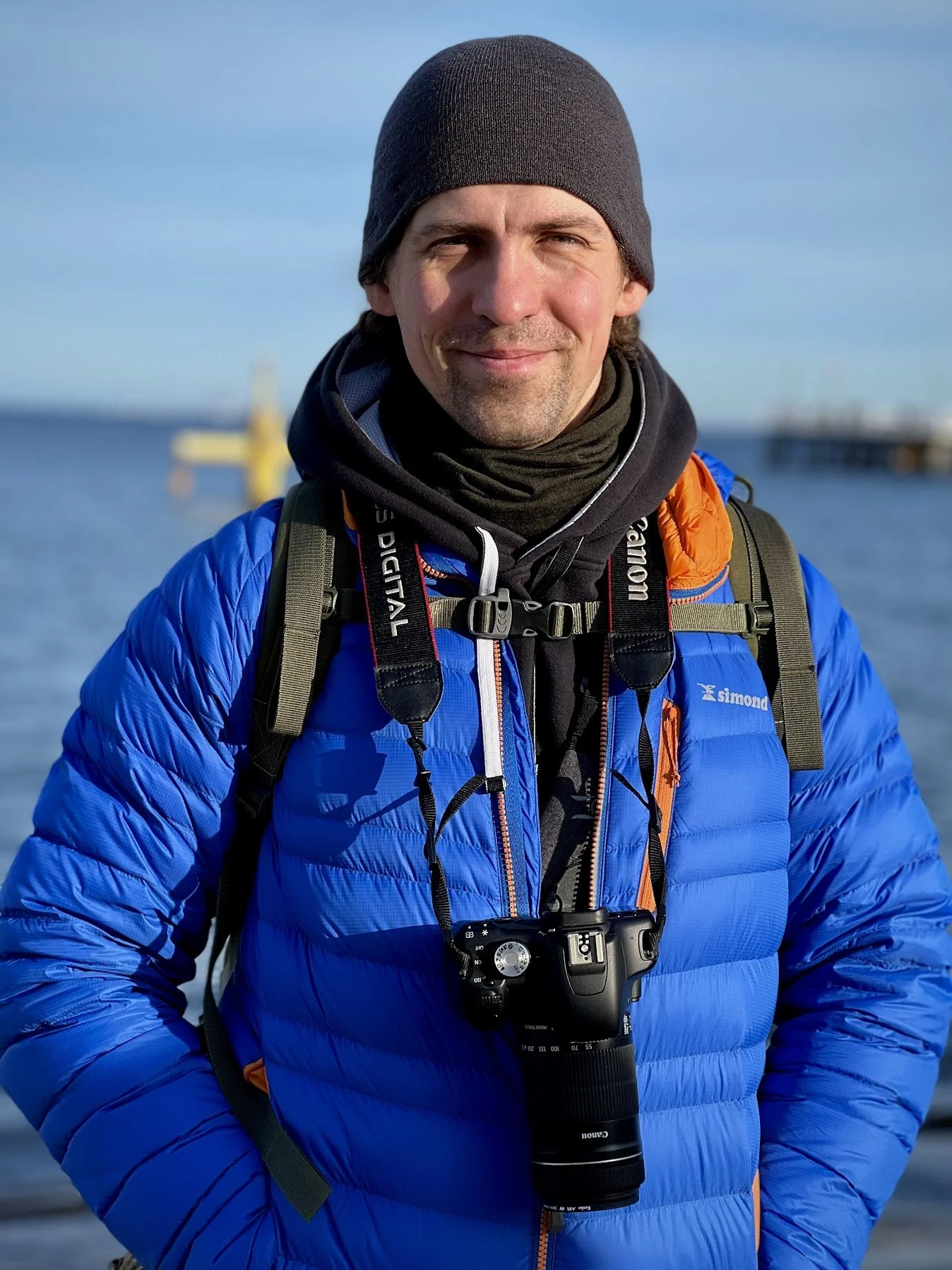
I was always the one carrying a small film camera and later a digital point and shoot. At birthdays, family gatherings, and hikes in the mountains, I was usually the person saying, “Let us take a photo together.”
Today I am incredibly grateful that I did this. I still have most of those photos on hard drives or in family albums, and it brings me so much joy to look at them. When I flip through these images, I feel those warm and loving moments again.
Over the years I moved this habit into my work environment as well. Whenever we have an event at work, I am often the first one to suggest taking a photo. Many times people came back to me later with gratitude for that captured memory or asking for the photos to use for different occasions. It also helped me position myself as a photographer. Thanks to these moments, I received corporate enquiries and found my first paid clients.
I have been photographing people since around 2007, first as an amateur and for the last few years as a professional portrait photographer. Looking back, I realise that guiding people, helping them feel comfortable and seen, has always been at the heart of my work, even when I did not know anything about exposure or composition yet.
Grandparents and a gift made of memories
One of the moments I am most grateful for is a visit to my grandparents in their country house. I photographed them individually, then together, and also with me. Later I used these photographs to create a dedicated album, mixing those portraits with other family images, and gave it to them as a gift.
For them it was precious to see themselves in those photos and to see us together, grandchild and grandparents, on printed pages. We do not see each other often now, so that album became a way to stay connected. It is a physical reminder of the love and time we shared.
Photographing my parents after three years apart
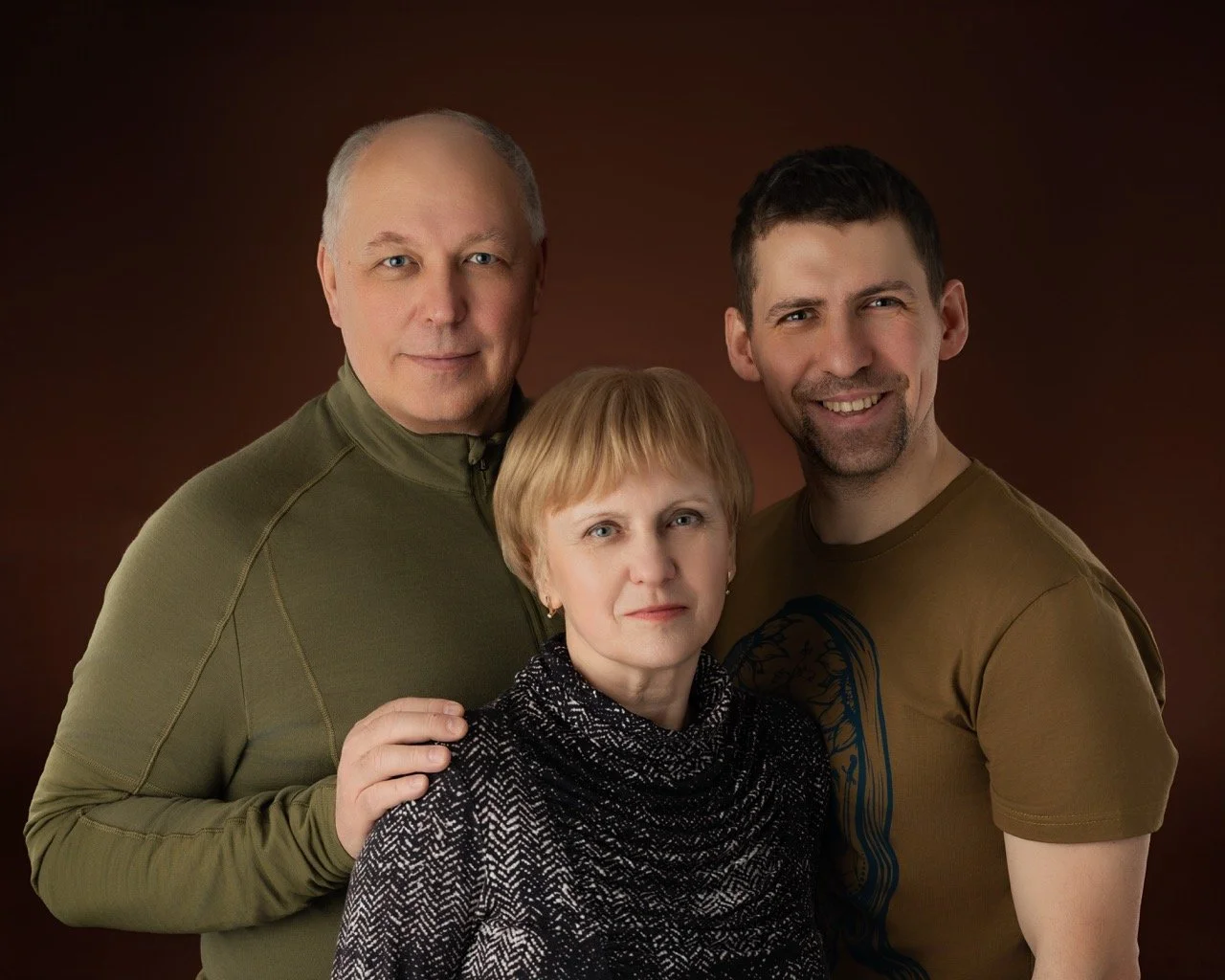
Another very important moment for me was when my parents visited me in Warsaw in early 2025. It was the first time I saw my dad in person since the beginning of the full-scale war in Ukraine in 2022. For more than three years we only saw each other on a screen.
You can imagine how happy I was to finally hug both my mom and my dad. I wanted to honour and remember this time, so I organised a full-day photo session for them. We tried different backgrounds, outfits and moods. For me it was both the joy of simply being with my parents and the chance to show them my approach to photography as a professional.
They were proud and happy to experience it, and my mom still talks about that day as one of the most memorable moments of the whole trip. We connected through the act of co-creation, and this memory will stay with us for the rest of our lives. And of course, we now have beautiful images to look back on.
A walk with Olesia and Molly
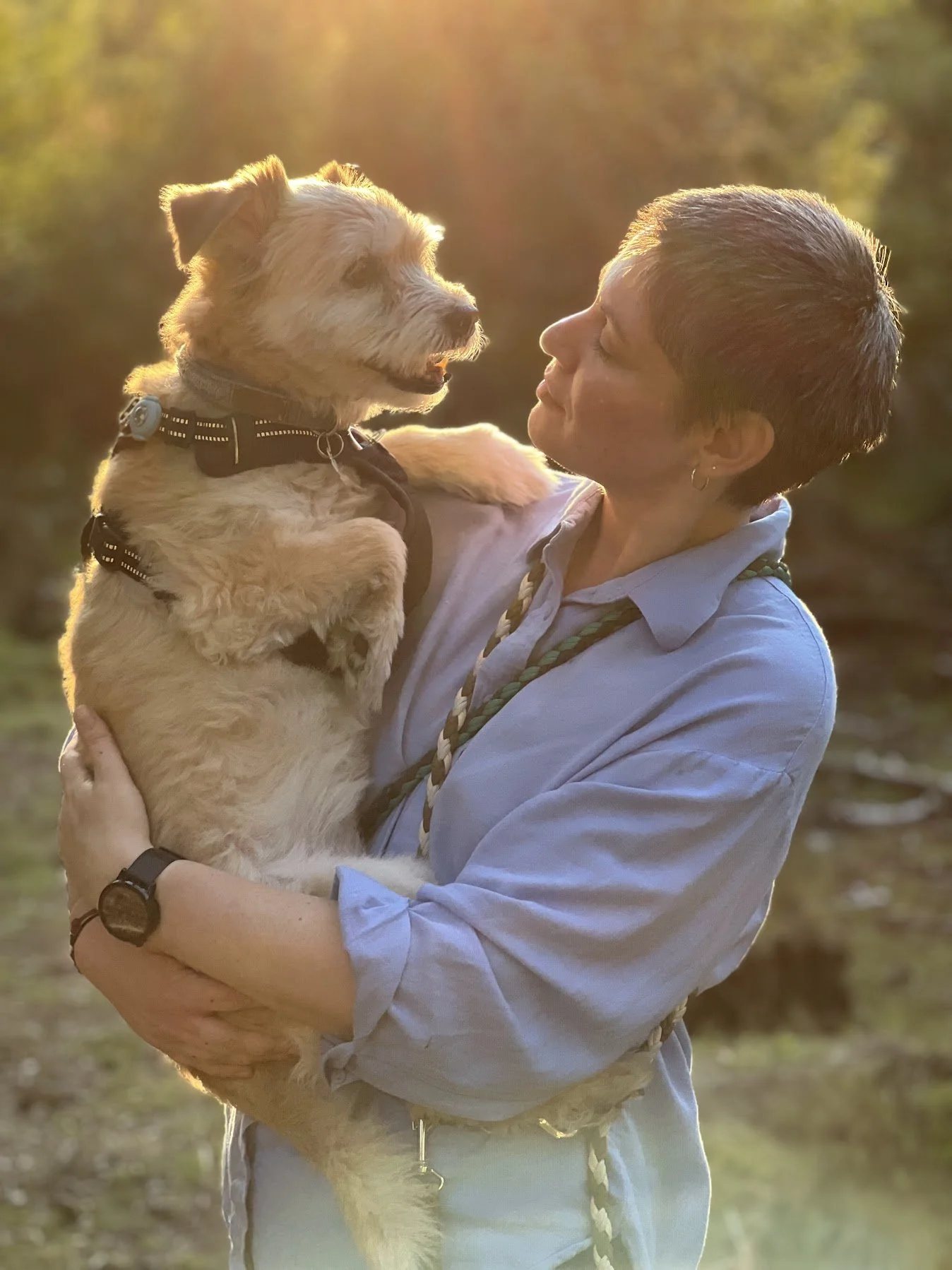
Another simple moment: during one of our walks with Olesia (my wife) and our dogs, the late afternoon sun was especially beautiful. Olesia picked up Molly and I took a quick photo with my phone.
It is one of the best portraits of Molly we ever had. The light is gorgeous, and both Olesia and Molly are truly happy there. We even printed that simple phone photo and it now hangs in our living room. Every time I pass it, I feel warmth and gratitude for that ordinary, perfect moment.
When you do not take the photo
There are also times when I put the camera down. I remember standing in the mountains after a long day of backpacking, watching the sunset. I realised that in some moments it is more important to simply be present, to remember with your whole body, not only with your camera.
For me, this is an important balance. Most moments become stronger when you first live them and then, after a short pause, you photograph them with intention. Photography does not have to replace presence. It can grow out of it.
Family albums are not just about nostalgia. They help us learn about our past, our ancestors, and their lives. How they dressed, what they did, what their homes looked like. Anyone who cares about preserving memories for future generations is, in a way, called to create photographs.
Tools you can use to photograph your family
Now, let us talk about the different ways you can capture and preserve images of your family and loved ones.
1. Smartphone cameras
The first and most obvious tool is your smartphone. With modern computational photography, even non-pro phones can create excellent images, especially if you understand a few basics.
The biggest advantage is that your phone is almost always with you. It is quick, simple, and intuitive to use. Many phones can also shoot in RAW, which opens up much more flexibility for editing later.
There are also downsides. A phone is a distraction device as well as a camera, full of notifications and social apps. From a technical point of view, it has the smallest sensor compared to dedicated cameras, so it captures less detail and has more limitations in difficult light.
You can still create professional-looking images with your phone, but if you want more control and higher quality, it might be worth exploring dedicated cameras.
Smartphone checklist
Keep your lens clean
Tap to focus on faces
Adjust exposure if the image looks too dark or too bright
Turn on grid lines to help compose your shot
Hold the phone steady for a second after you press the shutter
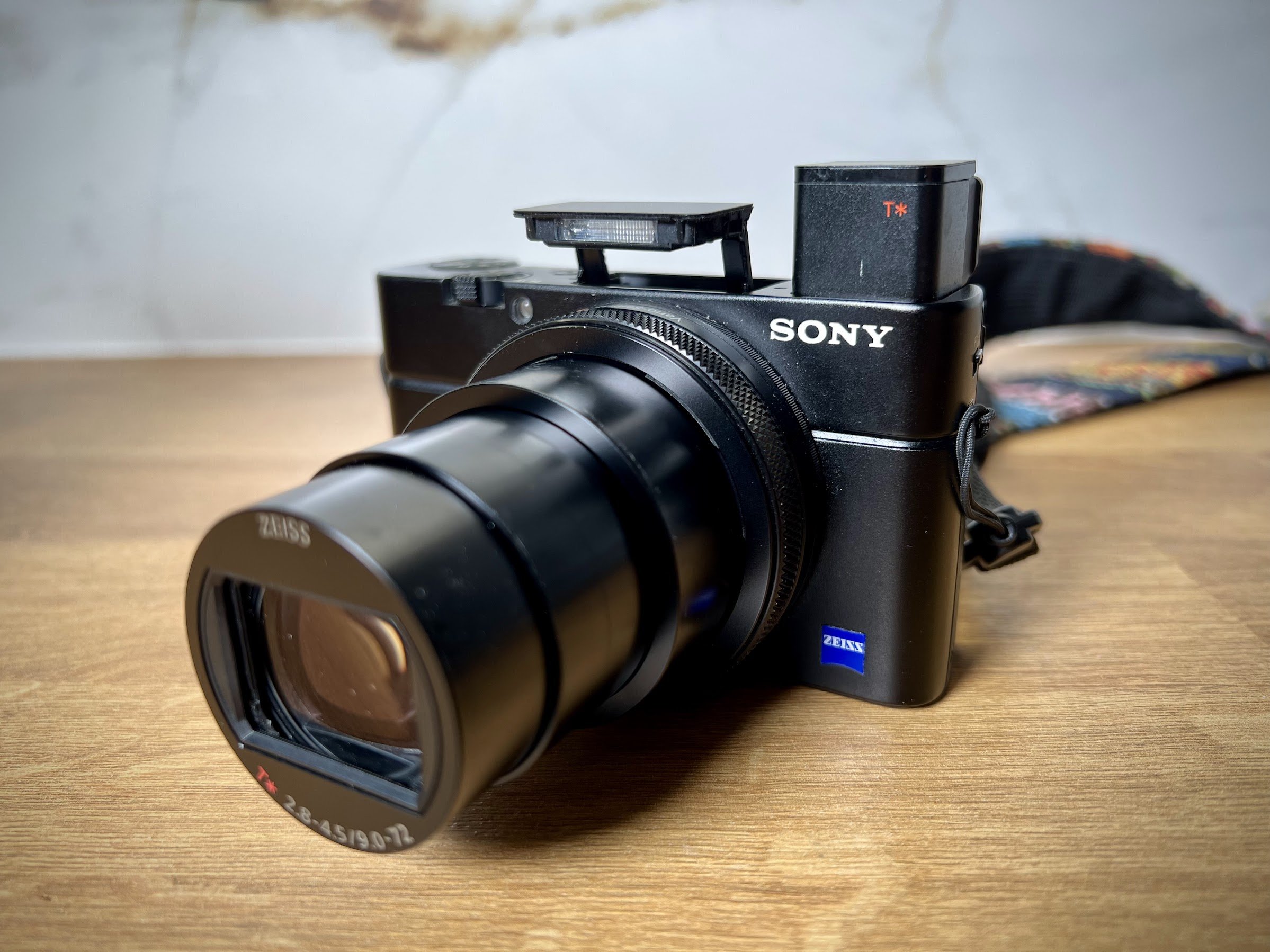
2. Dedicated cameras
Point and shoot cameras, mirrorless cameras, and DSLRs are bulkier and require some learning, but they reward you with significantly higher image quality and more creative control.
It is up to you to decide where you want to start. You can stay with your phone and treat it as a serious tool, or you can get a dedicated camera and learn photography more deeply as an art form. Both paths are valid.

How to make your family photos more meaningful
If you want your family photos to feel more intentional and memorable, here are the main areas to focus on.
Quick skills checklist
Composition
Light
Background and depth
Posing and expression
Perspective and angles
Telling a story with a series of images
Composition
Composition is how you arrange elements in the frame. Learning a few basics makes a big difference: rule of thirds, leading lines, patterns, framing, and visual balance.
You do not need to master everything at once. Start with one idea, for example placing your subject slightly off-centre instead of always in the middle of the frame. Over time you will see how small choices change the feel of your photos.
I also recommend a face-to-face photography course if you can find one in your area. Learning together with others and practicing on the spot can be very effective and fun.
Composition checklist
Turn on grid lines and avoid placing everyone in the exact centre
Watch the edges of the frame for distractions
Use doors, windows, trees, or people as natural frames
Leave a bit of space in the direction where your subject is looking
Light
Light can completely change the mood of your photo. Consciously placing your subject in relation to the light source creates a totally different feeling in the image.
If you use a dedicated camera, it is worth learning the exposure triangle. If you use a phone, start with the exposure slider in your camera app. Understanding light is probably the most important skill in photography, because in the end, photography is the art of capturing light.
Light checklist
Look where the light is coming from before you raise the camera
Turn your subject slightly towards the light for softer shadows
Avoid harsh midday sun when possible, use open shade instead
During golden hour, step back a little and let the warm light do its magic
Background and depth
Pay attention to what is happening behind your subject. A clean, simple background will make your family stand out more.
If your camera or phone has a portrait mode, try it. It creates a blurred background (the bokeh effect) and draws attention to the person you are photographing. It can transform a simple portrait into something much more special.
Background checklist
Remove obvious distractions like bins, cables, or random objects
Step a little to the left or right to avoid a busy background
Try portrait mode when photographing one or two people
Keep some distance between your subject and the background for nicer blur
Posing and expression
Posing is another key element of memorable photographs. Many of us know those images where someone stands stiff in the middle of the frame, not sure what to do. The memory is there, but the image itself is not very alive.
With just a few small tweaks in body position, head angle, or hand placement, the image becomes more dynamic and true. Gentle movement, a natural smile, a shared look between family members, a hug, a quiet moment together, all these things show emotion and connection.
Posing checklist
Ask people to slightly shift their weight onto one leg
Turn bodies a bit to the side instead of straight to the camera
Create connection with simple prompts like “look at each other” or “walk towards me”
Let hands do something natural, for example holding each other, a cup, or a jacket
Perspective and angles
We usually photograph from eye level, because that is how we see the world. Try changing your perspective.
Kneel down to photograph children at their height, or step onto a small elevation to look down at your family group. Move slightly to the side, or closer, or further away. Even small changes in angle can completely shift the mood of the photo.
It is not only about making a quick snapshot and moving on. Spend a little time with the scene. Try different angles, compositions, and poses, and see what feels right.
Perspective checklist
Take at least three versions of the same moment: high, eye level, and low
Get closer for a portrait, then step back for a wider story shot
Try shooting through something, for example branches, door frames, or people
Simple photo stories you can create
To make this more concrete, here are a few photo story ideas you can try in everyday life. You do not need any special location. Just attention and a bit of intention.
Sunday breakfast at home
Wide shot of the table and kitchen
Mid-shot of someone pouring tea or coffee
Close-up of hands, plates, or a smile across the table
Walk in the park with grandparents
Wide shot of the path and trees
Shot from behind while they walk and talk
Close-up of hands holding each other or a shared laugh
Playing with children on the floor
Shoot from their eye level while they play
Detail of toys, scattered books, or little feet
Close-up of faces, concentration, and joy
Evening routine at home
Someone reading a book to a child
Soft window light or warm lamp light
A quiet moment captured just before sleep
Walk with your partner and pets
Wide shot of the path and surroundings
Mid-shot of your partner holding your dog or cat
Close-up of faces and fur in beautiful light, the way you will want to remember them.
What to do after you take the photos
Often, once we take the photos, nothing else happens. We might send a few images to friends, or post one on social media, and that is it.
Here are a few simple steps that will help you get much more value from your family photos.
Select and edit
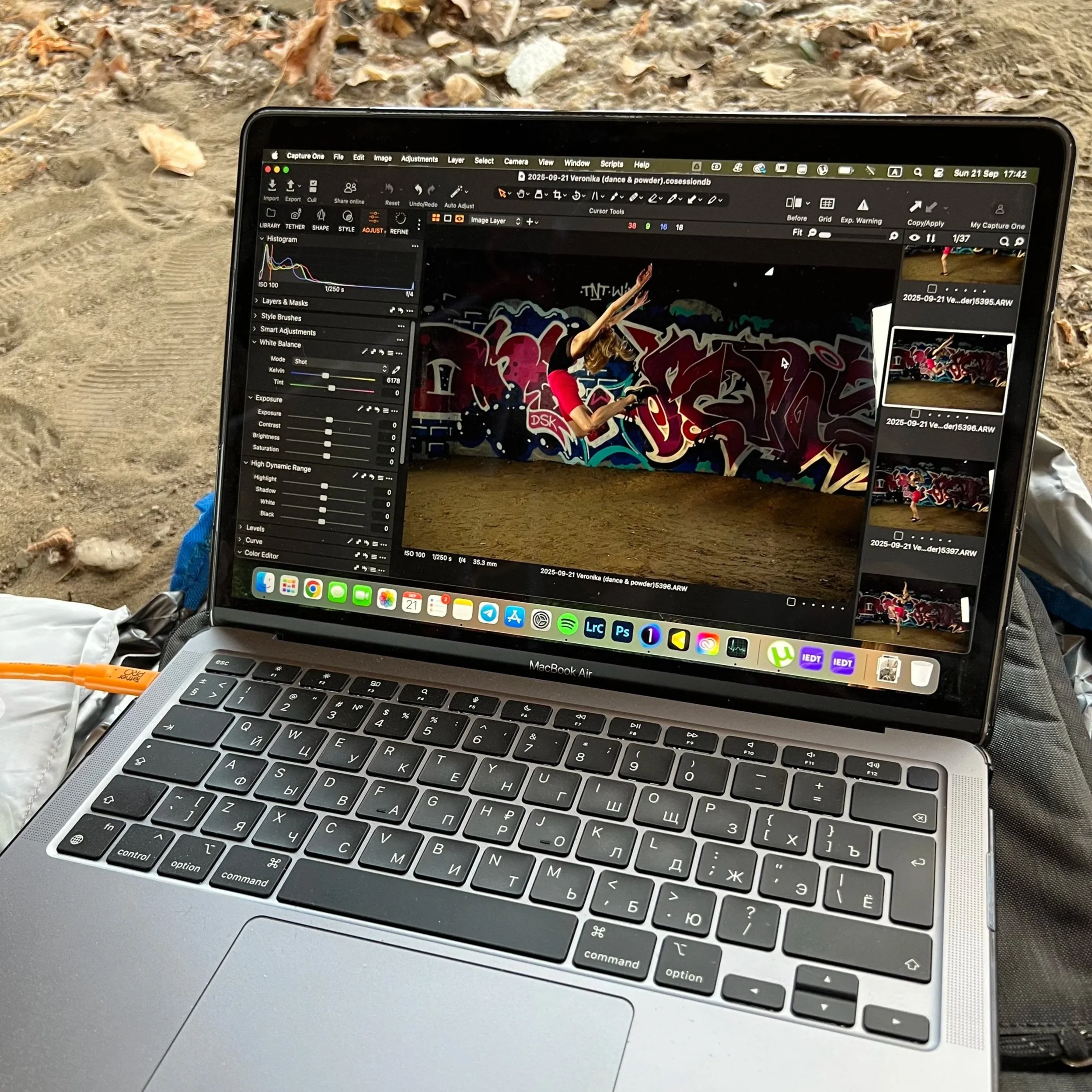
Spend 10–15 minutes reviewing the photos. Mark your favourites, the ones that really speak to you.
If you know how to edit, even a little bit, apply some basic corrections. You can use automatic settings or gently adjust exposure, contrast, and colour. A little editing can significantly improve the mood and impact of your photos.
If you want to take this more seriously, a one-day course on photo editing, either face to face or online, can help a lot. All the beautiful images you see online are edited. That does not mean they are fake, it just means the photographer took care to finish the image properly. With good guidance and a bit of practice, editing becomes much less intimidating.
After shooting checklist: selecting and editing
Delete obvious misfires and duplicates
Mark your top 10 to 20 images from a day or event
Apply basic edits to your favourites
Save a separate “best of” album
Backup your memories
Please make sure your photos are backed up.
If you use your phone, turn on iCloud, Google Photos, or any other cloud backup. It is often free or low cost and can literally save your memories if your phone is lost or damaged.
If you use a camera, copy your files to at least one external hard drive or SSD. Ideally, keep a second copy somewhere else as well.
Backup checklist
Enable automatic cloud backup on your phone
Regularly copy camera photos to a computer or drive
Keep at least two copies of your most important photos
Share with your loved ones
Sharing photos with your family and close friends is one of the nicest parts of the process. Whether it is a small family chat or a post on social media, a sequence of photos that tell a story is often more engaging than a single image.
You will also remember the moment better when you see it as a short visual story instead of just one static frame.
Sharing checklist
Create a small album from each trip or event
Share 5 to 10 photos that tell a story, not just one
Add a short description so people remember the context
Enjoy reminders from the past
I really enjoy using the “memories” features in Apple Photos and Google Photos. They remind me what happened on this day a few years ago, or they automatically create small slideshows from past trips.
If you have never tried it, I recommend turning it on. It is a simple way to revisit your own history and relive many beautiful moments you forgot about.
Print your favourites
Finally, one of the most meaningful things you can do is print your photos.
Choose your favourite images and put them in frames, on the wall, or in a photo album. You can also create a small book from a trip or from a whole year and give it as a gift to your family.
I have done this several times, and I also received such albums as gifts. These are some of the most memorable presents you can give or receive.
Printing checklist
Choose 10 favourite photos from the last year
Print them or create a simple mini album
Add short handwritten notes or dates next to key images
If you take one concrete step after reading this article, let it be this:
Pick 10 favourite family photos from the last year and print them or turn them into a small album. Give those memories a physical place in your home.
How I work with families as a professional photographer
You can do a lot on your own with a phone and some intention. There is also the option to invite a professional photographer into this process.
I specialise in creating family and authentic portraits for people who care about images that represent their soul. People who want to capture their emotions, love, gratitude, and kindness, and share it with the world. Many of them are busy professionals who value their time, are often camera shy or not very confident, but still want honest, warm images that feel like them.
I have been photographing people since 2007 and working professionally for several years now. Along the way, I have been deeply inspired by photographers like Chris Orwig, who approaches portraiture with a calm, almost Zen presence and a focus on authenticity. That spirit resonates a lot with how I like to work.
For me, the camera comes second. The first priority is connection and atmosphere.
I arrive prepared, usually scouting locations and light before the session.
We talk before I even take the camera out. I want to understand your story, your energy, your hopes for the photos.
I value calmness and gentle guidance. I do not rush people, I do not criticise bodies or expressions, and I do not force stiff poses.
Sometimes I ask you to close your eyes, breathe a few times, and then open them again. In that small pause your face softens, your eyes become present, and that is where the real portrait appears.
I often feel a bit like a psychologist with a camera. My work is to read moods, notice how you feel, and adapt. With playful people we use more movement and games. With more serious people we focus on calm, grounded portraits. With families I often become, for a moment, a guest in their space, almost part of the family.
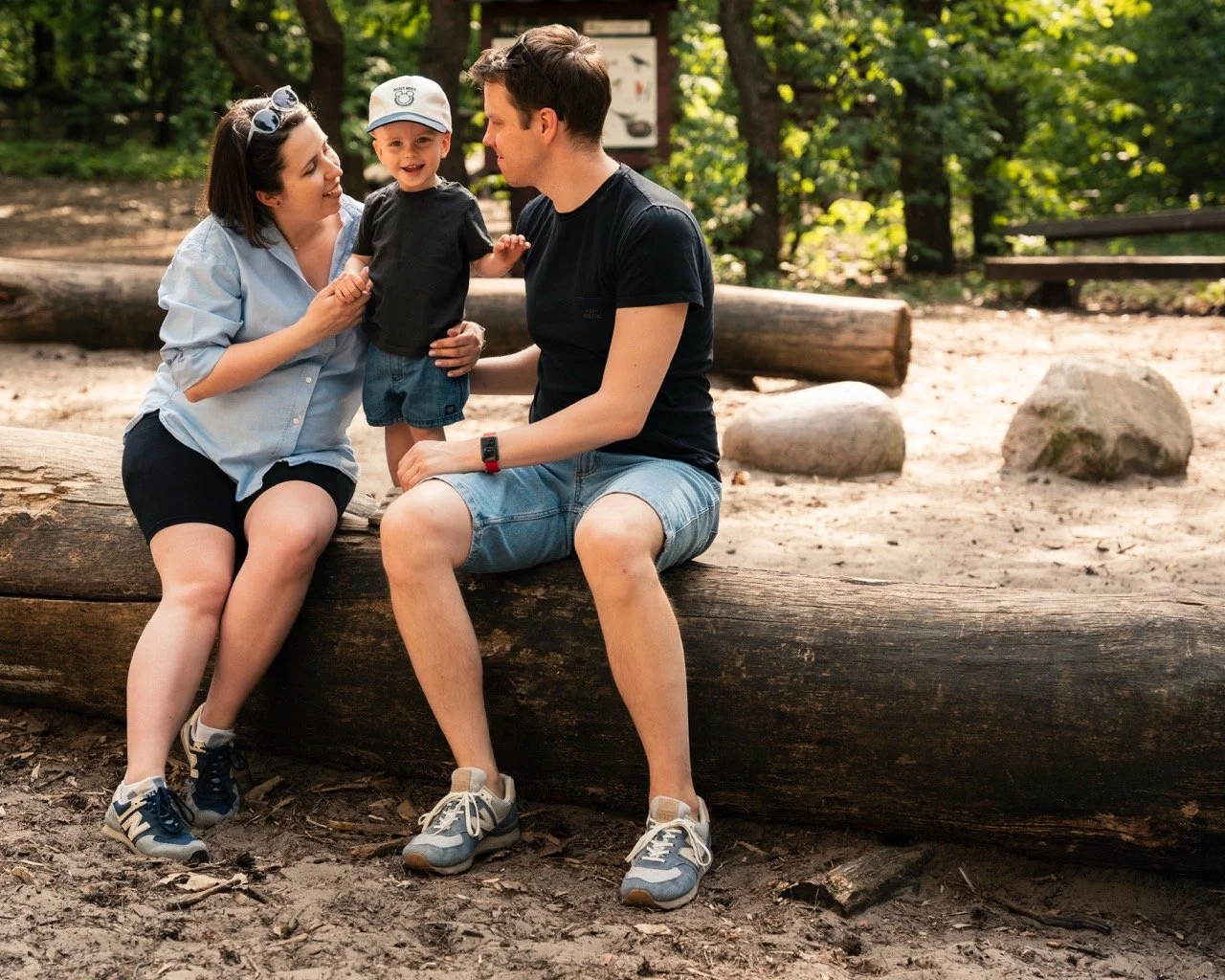
One of my favourite family sessions was with a couple expecting their second child and their young son. They chose a forest park because nature is important to them. I arrived earlier to explore the area and find good spots. During the session we walked, talked, played small games with their son, used wooden structures and open clearings, and created a mix of calm moments and fun, dynamic ones.
For them it felt less like a photo session and more like spending time with a friend who happened to have a camera. Afterwards they chose their favourite images from the gallery, I edited them with care, and they now use those photos to remember that special time before their family grew.
Feedback like “for us you were part of the family during this photo shoot” means a lot to me. It tells me that the connection was real, not only the images.
If you would like to have memorable, authentic portraits of your family, you are very welcome to visit my portfolio at Khomenko Photography – Authentic Portraits and see if you feel we might be a good match.
Snapshot vs photograph
We covered a lot in this article. I hope you found it helpful.
I want to leave you with one last idea. There is a big difference between a snapshot and a photograph.
A snapshot is a quick action. You take out your phone, tap the button, and move on. It is almost automatic.
A photograph is a conscious act. You are present with the person or the scene. You pause, observe, feel, and think. You notice the light, the background, the emotion. You make small choices that, together, turn a simple moment into something meaningful.
Photography is an act of creation and of love. I wish you many beautiful moments with your family and hope you will use this craft to preserve them in a way that feels true to you.